“Sustainable agriculture is not just about growing crops, it’s about caring for the soil, the water, the air, and all the living things that depend on them.”
—Vandana Shiva
In January 2025, the City of Kingston declared a food security emergency.
Join a community of amazing people who care about growing food, seed, community and biodiversity as we envision possibilities for the former two-acre Loving Spoonful Training Farm next to Centre 70. We have taken on stewardship of this two-acre space and its assets, including: a greenhouse, two hoop houses, a shed, a market stall and a shipping container with solar power.
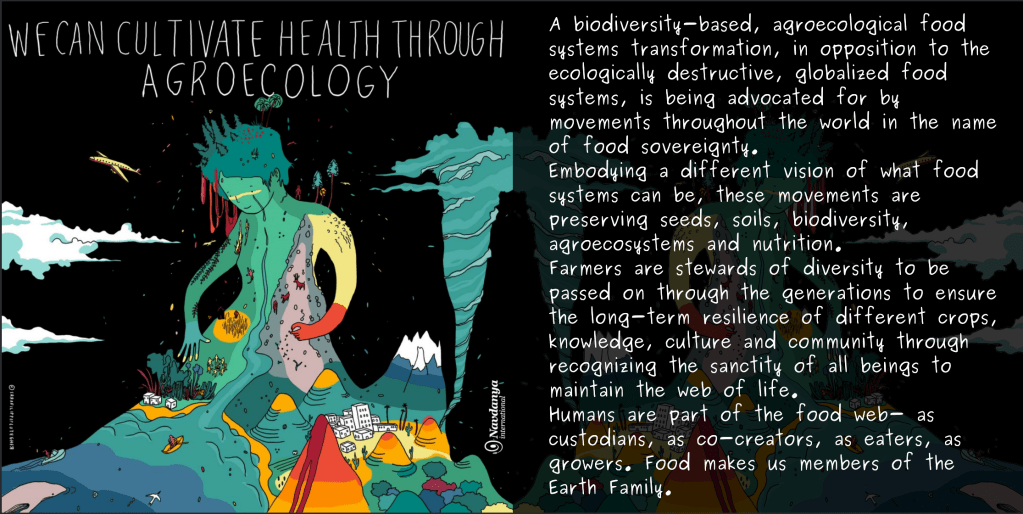
As a community garden, how might we cultivate thriving relationships among people, seeds, food, soil, water and our Earthly kin? What can we do to increase the amount of nutritious, affordable and culturally relevant food we grow in Kingston?
Bring your ideas, good energy and desire to foster a healthy and resilient future for all.
When: Tuesday, November 18 6-8 pm
Where: Reddendale Hall, Centre 70
A few questions to spark our thinking:
- How might we model how growing and sharing food supports food and seed sovereignty, climate resilience, biodiversity and sustainability?
- How might we plant seeds for truth and reconciliation?
- How might we welcome immigrants, refugees and newcomers with diverse food cultures interested in growing culturally familiar foods and sharing agricultural practices, traditional knowledge and cultural values?
- How might we foster partnerships among various participants in the food cycle, from seed-to compost?
- What if we had a collective garden where members work alongside each other to learn food growing, share harvests and make new friends?
- What if we had community plots for growing crops like squash, pumpkins, asparagus, garlic or for growing the ingredients for culturally important foods such as Kimchi (napa cabbage, green onion, daikon, carrots, hot peppers)?
- How might we become a model for regenerative and permaculture approaches?
- What if we had experimental plots to learn about the characteristics of different varieties, experiment with climate resilient strategies such as growing without supplemental watering and saving seeds of the most resilient favourites?
 Lakeside Community Garden