
We’re glad you’ve joined us! As plant ecologist and writer Robin Wall Kimmerer reminds us “All flourishing is mutual”. When we garden together, we benefit ourselves, each other and all our other-than-human kin, while we transform this little corner of Kingston into somewhere magical and nourishing for all. We hope you will come to feel part of our gardening community while your understanding of land care and regenerative gardening blossoms and grows. The best way to make that happen is to get involved.
Volunteer Hours: As a member of the garden, you have chosen ways that you would like to contribute to the garden’s maintenance and growth. The garden counts on you to fulfil those commitments. If obstacles to do so arise, please feel free to reach out for assistance.
Safety in the garden is everyone’s responsibility. If you notice something that you think could be a danger, please shout out to the community through the What’sApp group or with an email to lakesidegarden70@gmail.com. And if something wonderful happens while you’re in the garden, share it with everyone through those same routes. We love to hear about visits from our other-than-human kin.
Path Upkeep: Everyone has agreed and shares the responsibility to keep their plots and the paths around them free of our more aggressive plant friends, (often referred to as weeds) and mulched with wood chips. It’s very important that you take the time to acquaint yourself with Canada Thistle, Bindweed, and Velvetleaf.Look for disposal containers for Canada Thistle and Bindweed by the shed. You can compost Velvetleaf.
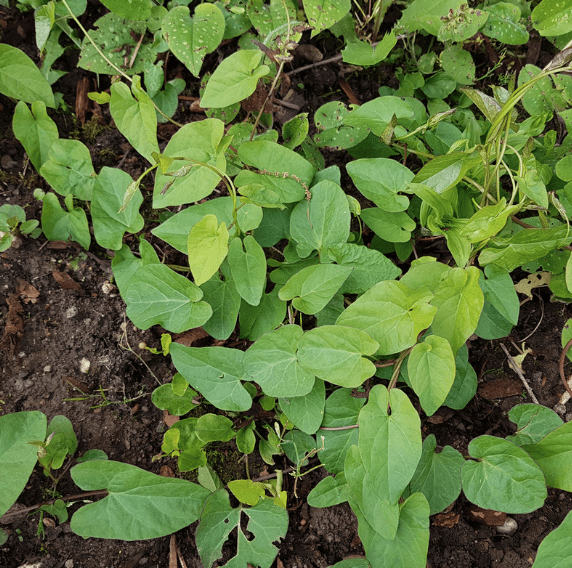
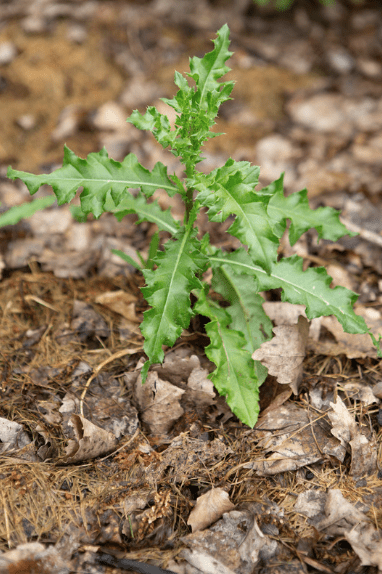
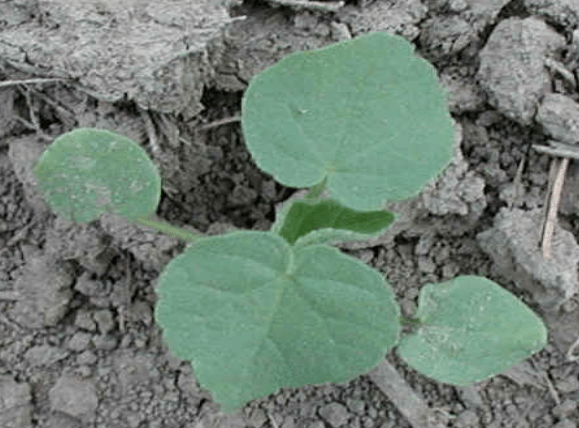
Soil Stewardship and Water Conservation: We strive to be good soil and water stewards here at the garden. Most gardeners water far too often and improperly and don’t protect the soil and the rhizosphere like they should. Mulching your plot both retains water and feeds your soil while protecting the soil microorganisms. Here are two sources where you can learn more about mulching. Intro to Mulching and Living Mulches When watering, think deep, targeting the roots, and less frequent rather than shallow, widespread and often. You want your plants to develop deep roots. Shallow, frequent and widespread like that delivered by a water hose or sprinkler does not encourage your plants to dig deep but bucket watering at the roots, that penetrates deeply does. Read more here about watering from our local Master Gardeners.
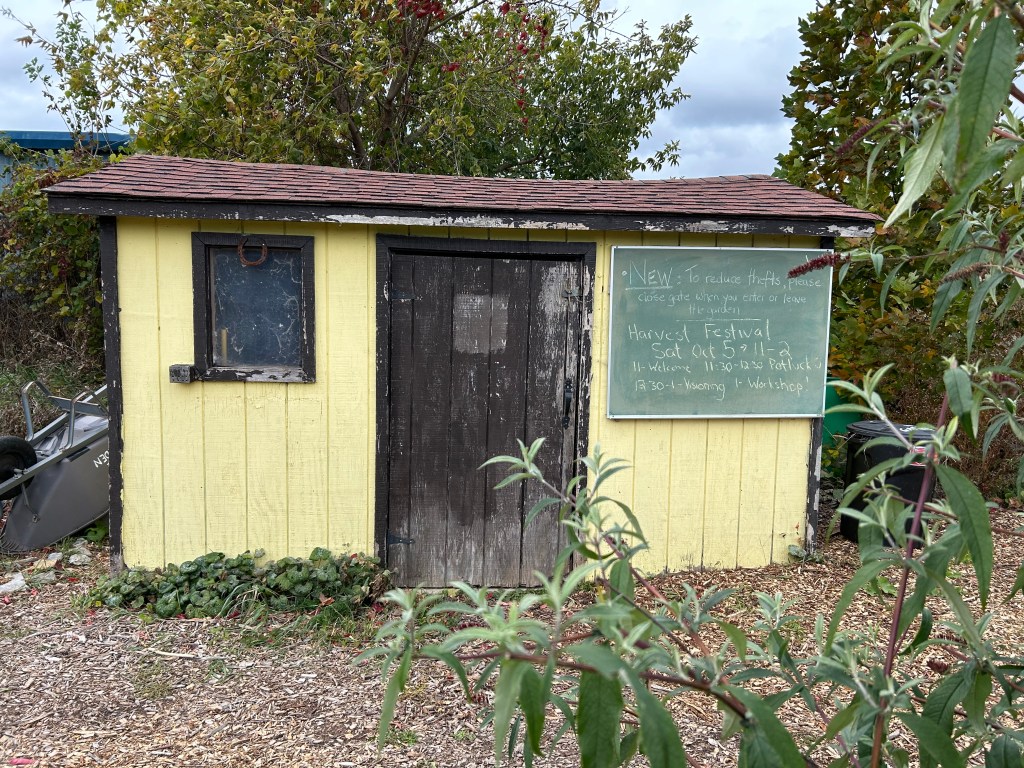
The Tool Shed: Tools are provided for use by Lakeside gardeners, and are located in the yellow tool shed. Please clean them off after use, and put them back where you found them. Wheelbarrows are stored beside the shed and turned upside down to avoid collecting rainwater. Please let us know if a tool is broken so that it can be mended or replaced.
Watering System and Buried Pipes: Lakeside has a number of water barrels, connected to the municipal water supply, and placed at intervals throughout the garden. Watering cans are adjacent to each barrel. Just fill the can as in the photo below, and water your crops, directing the water to the base of each plant.
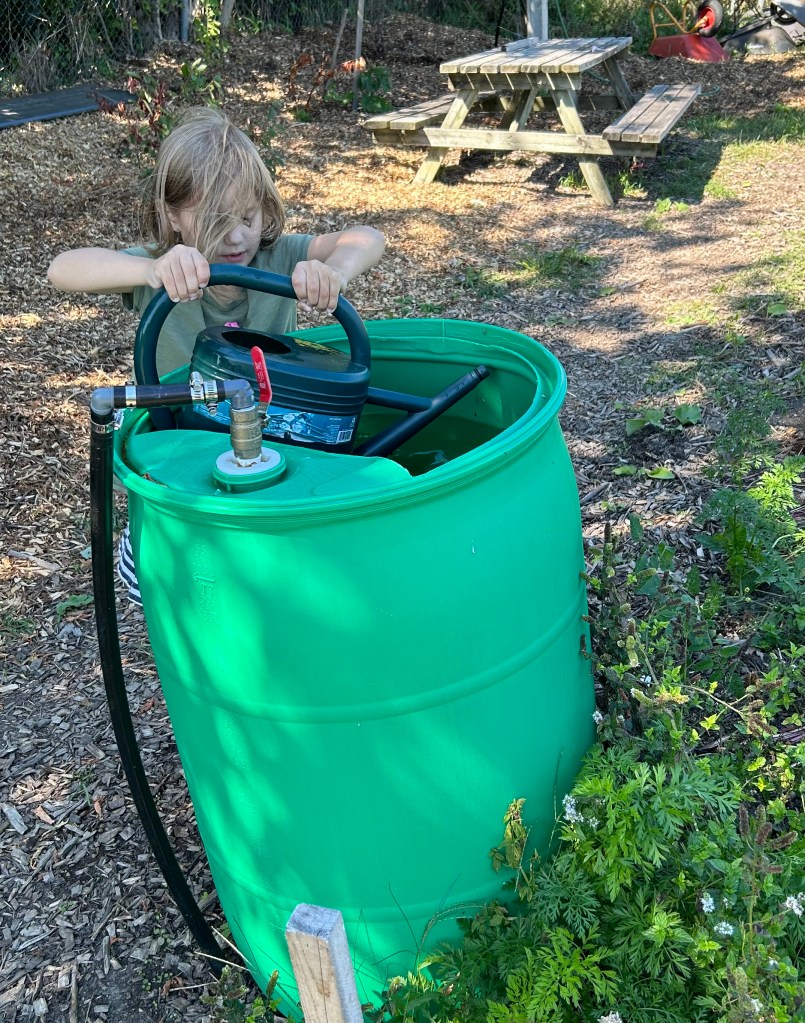
It’s also very important to note that our watering system runs in pipes under the paths. The pipes are marked with blue flags. You could easily puncture one if care isn’t taken to locate them before digging. Never use a garden fork when weeding in the paths.
Workshops, workbees and get-togethers: Our gardening community is always learning as we move away from outdated gardening techniques and towards regenerative gardening and land care. By doing so, our garden is becoming a true ecosystem where beneficial insects and birds do some of our gardening work for us by controlling pests and diseases. Watch for our newsletter where information about workshops, workbees, and garden get-togethers will be shared. It’s in those gatherings where we strengthen our community and our knowledge so that we align our gardening practices to these goals.
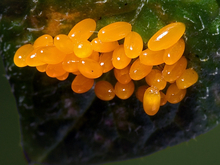
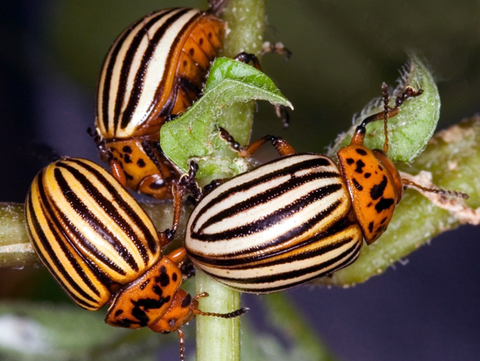
Potatoes: One of our current concerns is Colorado Potato Beetle, an insect that will chomp on any member of the Nightshade family including tomatoes, eggplant and peppers but especially loves potatoes. Our best solution to the problem is not to plant potatoes in the garden for the next few years. Please consider planting some other vegetable crop for now. If you do plant potatoes, it’s your responsibility to come every day and destroy the beetles and the larvae that will inevitably attack and strip your plants. You can do that by squishing them or drowning them in a bowl of soapy water.
Planning your plot: Once you’ve been assigned your plot, consider its location and access points. Where will you plant your tallest crops so as not to overshadow your neighbours’ plants? How will you get in to and out of your plot without tromping on your own or your neighbours’ plants? How often will you be able to come to the garden? Every day? Weekly? Some plants are very prolific or water hungry and need more than a weekly visit so consider that when choosing what to plant. Got too many of one vegetable? Stay tuned for information about donating your surplus.
Shared Crops: Besides crops you grow in your own plot, there are areas planted with crops to share. You are welcome to pick and enjoy these. When you do so, remember that they are for all garden members and visitors to sample including the birds who control unwanted insects, and take only your share.
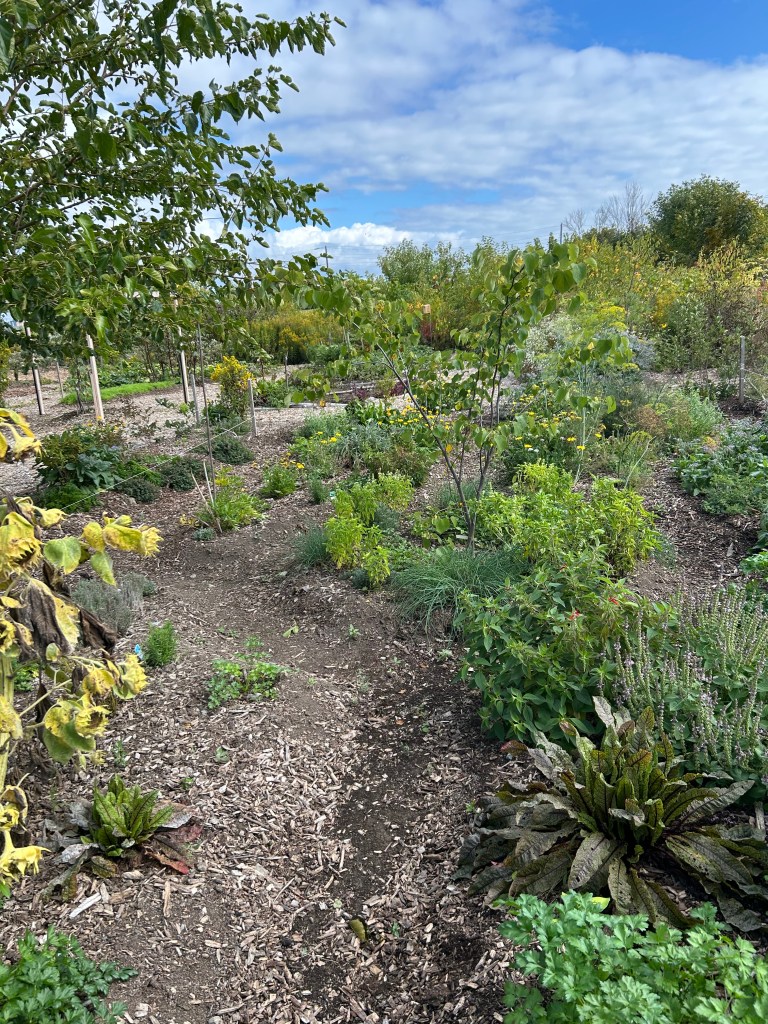
These spaces include the Medicine Garden, the hedgerows of blackberries and raspberries which include lots of other edibles, our Food Forest and Nut Circle, as well as our asparagus patch, planted in 2024, which won’t be ready for harvest for a few years yet. In 2025 we established a communal Herb Garden, and in the fall, planted a shared garlic patch.

Seed Sources: Looking for a good local source of vegetable seeds? Consider using the seeds grown right here in the garden at the KASSI Seed Saving garden. Look for them in the shed or contact Board member and KASSI chair, Cathy Christie. Other good local sources include Kitchen Table Seed House on Wolfe Island or Bear Root Gardens in Verona. There are SO many good reasons to use these seed sources. Read more at the KASSI website seedsgrowfood.org
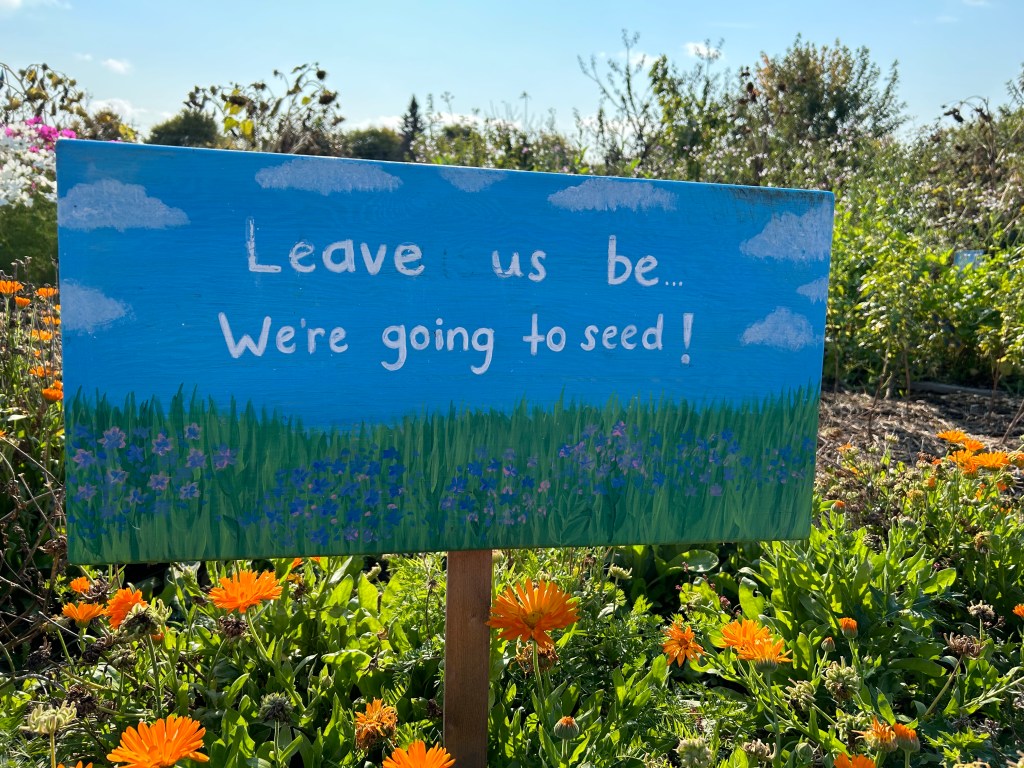
As a gardening community, we are constantly learning and growing. If you’ve got ideas and the energy and time to implement them, we’re all ears! Share them and let’s see how together we can make the garden even better.
 Lakeside Community Garden